

Friendship & Learning Disabilities
All we ever want for our children is to be happy in life. To make friends. To live the life they want.
Today, 77% of people aged 18-34 with a learning disability report feeling lonely. (1)
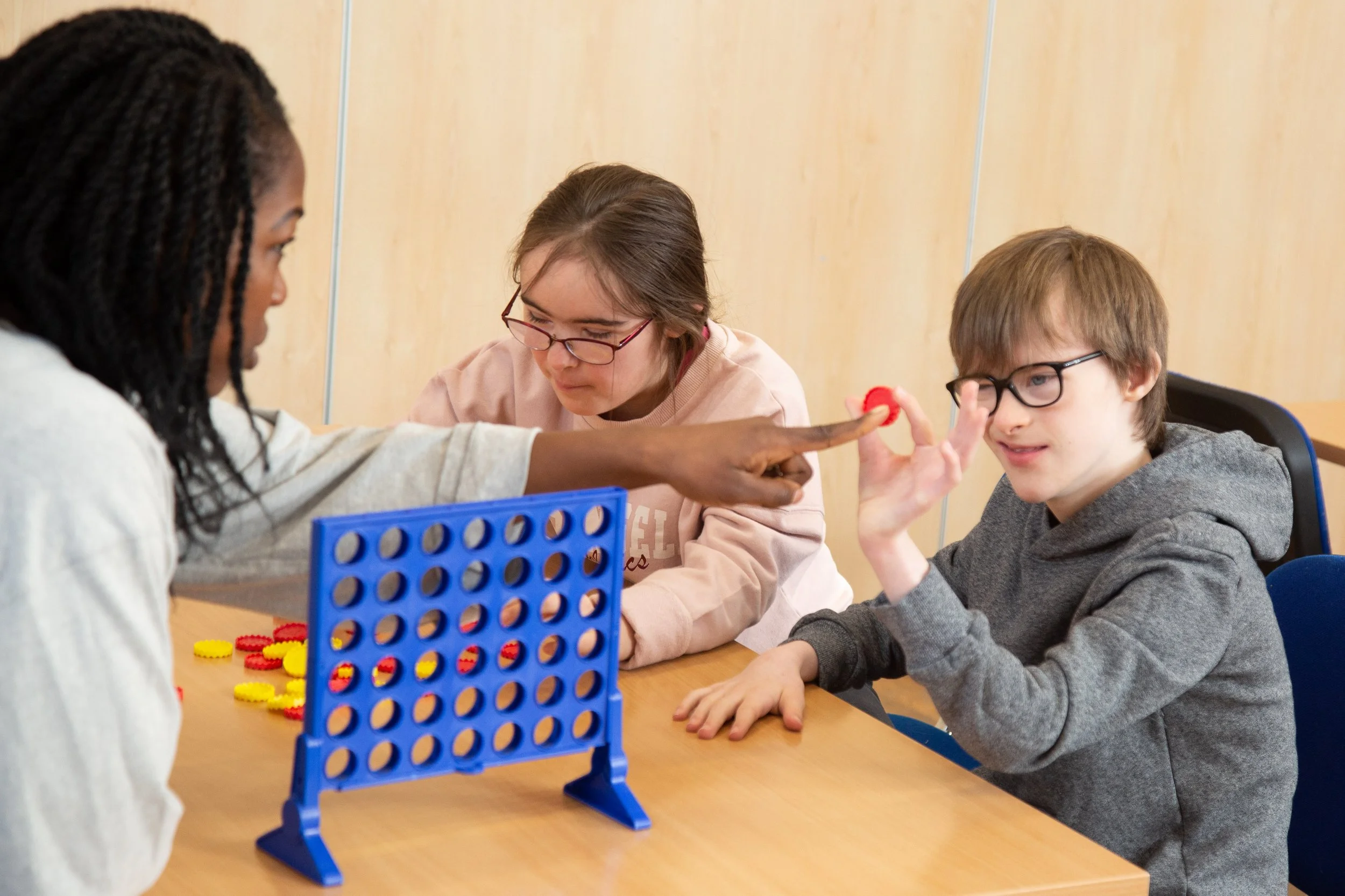
Loneliness and isolation can lead to mental health problems, like anxiety and depression, and reduces time spent outside of the home. Evidence also suggests that loneliness has detrimental effects on general health and an increased risk of early mortality. (1)
At Learn and Thrive, we want individuals with learning disabilities to lead safer, more independent, and more connected lives. This means developing friendships and relationships that help them to flourish, thrive, and be happy.
Challenges around Friendships
Some individuals struggle to create and maintain real, strong friendships due to these challenges. (1) (2) (3) (4) (5)
Communication & Conversation
They may struggle to communicate and/or understand the way others communicate
They may struggle with understanding body language and non-verbal communication
They may not know how to start or continue conversations
Emotional Understanding
They may struggle to understand their own and other’s emotions
They may find conflict within friendships and relationships challenging, and not know how to resolve conflict
Memory & Autonomy
They may need support to remember that they have plans with friends
They may find inconsistency difficult to deal with - seeing a friend one week but not the next can be hard for individuals who thrive on routine and consistency
They may struggle to see friends independently, and therefore lose out on these opportunities if support or care workers aren’t able to provide them with transport
They may not always have autonomy around who their friends are and who they spend time with
Risk of Abuse
They may be bullied by peers
They are at higher risk of mate crime
Leisure & Employment
They may have limited social interactions due to lack of employment or leisure opportunities
Because they have physical restrictions e.g. transport, or behaviours which make employment or accessing leisure a challenge
They may need support to access these opportunities, and they don’t have that support in place
Or because they simply don’t have these opportunities available, e.g. no suitable local activities
Just because they might struggle, doesn’t mean it’s impossible…
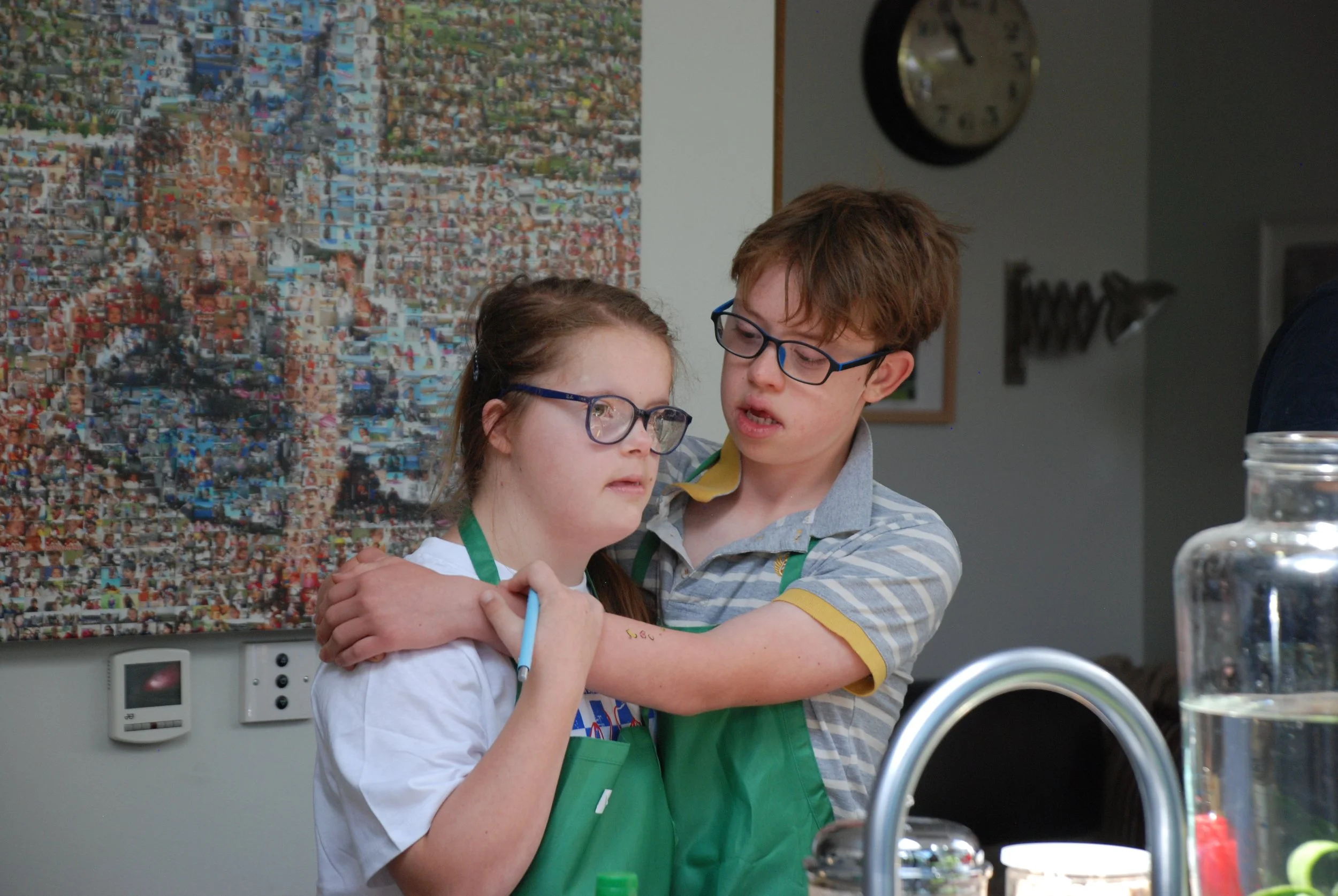
Helping individuals with learning disabilities to create and maintain strong, lasting friendships and relationships isn’t impossible. In fact, it’s written into law that support to develop friendships is part of promoting their wellbeing (6).
So what help is out there? And where do we start?
Building Skills Around Friendship
What skills do we need?
Conversation skills
Emotional literacy
Understanding friendships - what makes a good friend, how to repair and how to end friendships
Red flags for abusive behaviour in friendships
How and when to get help and support with friendships
Lots of these areas are covered in the RSE curriculum. But are they always accessible for those with learning disabilities? Typical learners often thrive on learning by doing, and learning by inference. By the time primary schools are covering friendship, learners have already been choosing and making friends, bickering and arguing, for several years. Really, individuals with learning disabilities are already left behind.
Where they are less able to learn by inference, and may have been more isolated or separate in their early years, without effective teaching and intervention, they could continue to struggle to make friends throughout their lives.
This becomes even more noticeable with the internet. As many typical teenagers and young people rely on the online world for huge parts of their friendships and relationships, individuals with learning disabilities often miss out. Whether due to online restrictions from day one, or as a result of incidents of inappropriate online behaviour, this is another layer of modern friendship and social interaction our community miss out on.
Learning for Life provides all this and more. Our content is all based around the RSE curriculum, but with added and enhanced content for learners with learning disabilities. It’s about learning and practising the skills, not just ticking off the content. Helpful videos and resource can be found in:
Our Caring Friendships series
What makes a caring, healthy friendship (and an unhealthy, uncaring one)
How you might choose friends - shared values and hobbies
Making and maintaining friendships - conversation skills, managing conflict
Learning when and how to end friendships
Our Respectful Relationships series
Respect - that you should respect others and they should respect you
Respect within friendships
Safe and considerate behaviour with phones - having the right amount of contact with people
Our Online Safety series
Safe online behaviour
Identifying who is and isn’t a friend online
Reporting online bullying and abuse
The importance of real life connection
Community Groups & National Organisations
Education is a fantastic place to start. Giving individuals the tools to choose, make, and maintain real, strong friendships will set them up to do so. But where do you find these opportunities?
Connect with disability groups in your local community
Mencap local branches
Pan-disability groups
Disability-specific groups - the Down’s Syndrome Association have a map so you can search support groups near you
National groups for people with learning disabilities to make friends
Pen Pal exchanges - The Grow Project
User-led friendship organisation - Safe Soulmates
Attend gigs & cultural events alongside volunteers - Gig Buddies
Support in Ireland - Livesthroughfriends
Sources:
(1) Mencap - Learning Disability - Friendships and Socialising Stats Mencap
(2) Choice Support - Choice Support | Making friends
(4) Mate and hate crime - Bullying | Mencap | Learning disability
(5) What is Mate Crime? | The types, signs and how to spot it
(6) Enabling people with a learning disability and autistic people to develop friendships | Local Government Association