

Ofsted 2025 + RSHE 2026: What Schools Actually Need to Have in Place (and What They Don’t)
If you work in a school, you’d be forgiven for feeling a bit overwhelmed right now.
The new Ofsted inspection framework is now live and updated statutory guidance for Relationships, Sex and Health Education (RSHE) compliance date is looming this September.
Too busy? Click each button to go directly to the section you want.
Across both Ofsted and RSHE, one message is coming through clearly:
RSHE must be inclusive, intentional, and demonstrably working for learners with SEND.
But don’t panic! We have got you.
We’ll look at:
What inspectors will actually be looking for
Where schools are most vulnerable
The three most common gaps we see (and how to fix them quickly)
What really counts as evidence under the new framework
And just as importantly, what you don’t need to be doing.
What inspectors will actually look for in RSHE
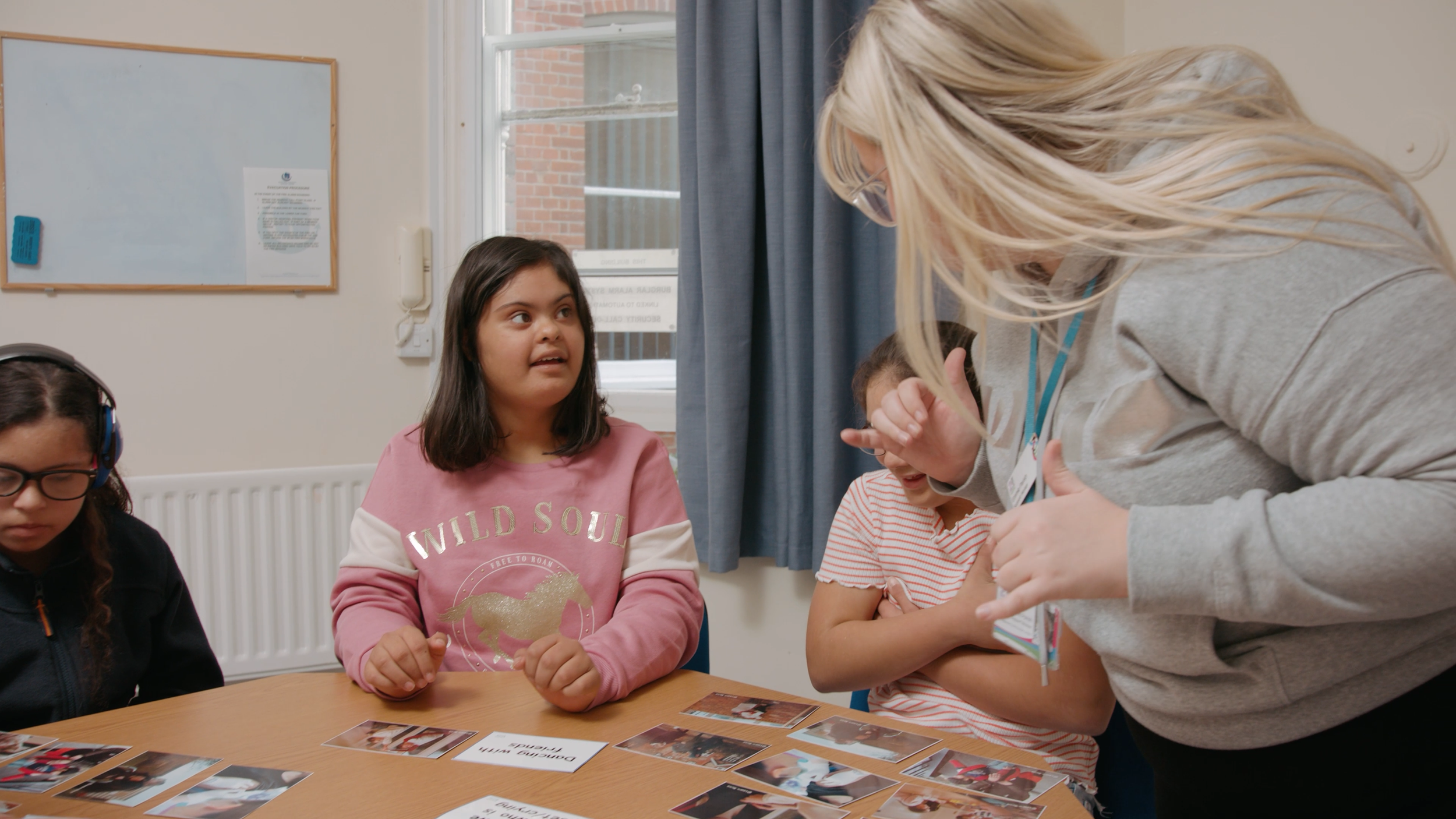
Under the new inspection framework, RSHE is no longer viewed as a standalone subject or a policy box to tick. It sits firmly within:
Personal development
Safeguarding
Inclusion and SEND
Inspectors are not just asking whether RSHE is taught. They are asking:
How is RSHE adapted for learners with SEND?
How do pupils understand and apply what they are learning?
How does RSHE support safety, relationships, and real-world decision-making?
How do leaders know it is effective?
For SEND pupils, this means inspectors are paying close attention to:
Are the lessons and resources accessible to those with SEND?
Repetition and reinforcement
Concrete, explicit teaching of abstract concepts and how this delivers real life skills
The balance between protection and empowerment
Where schools are most vulnerable
In our work with schools and families, we consistently see the same pressure points emerging.
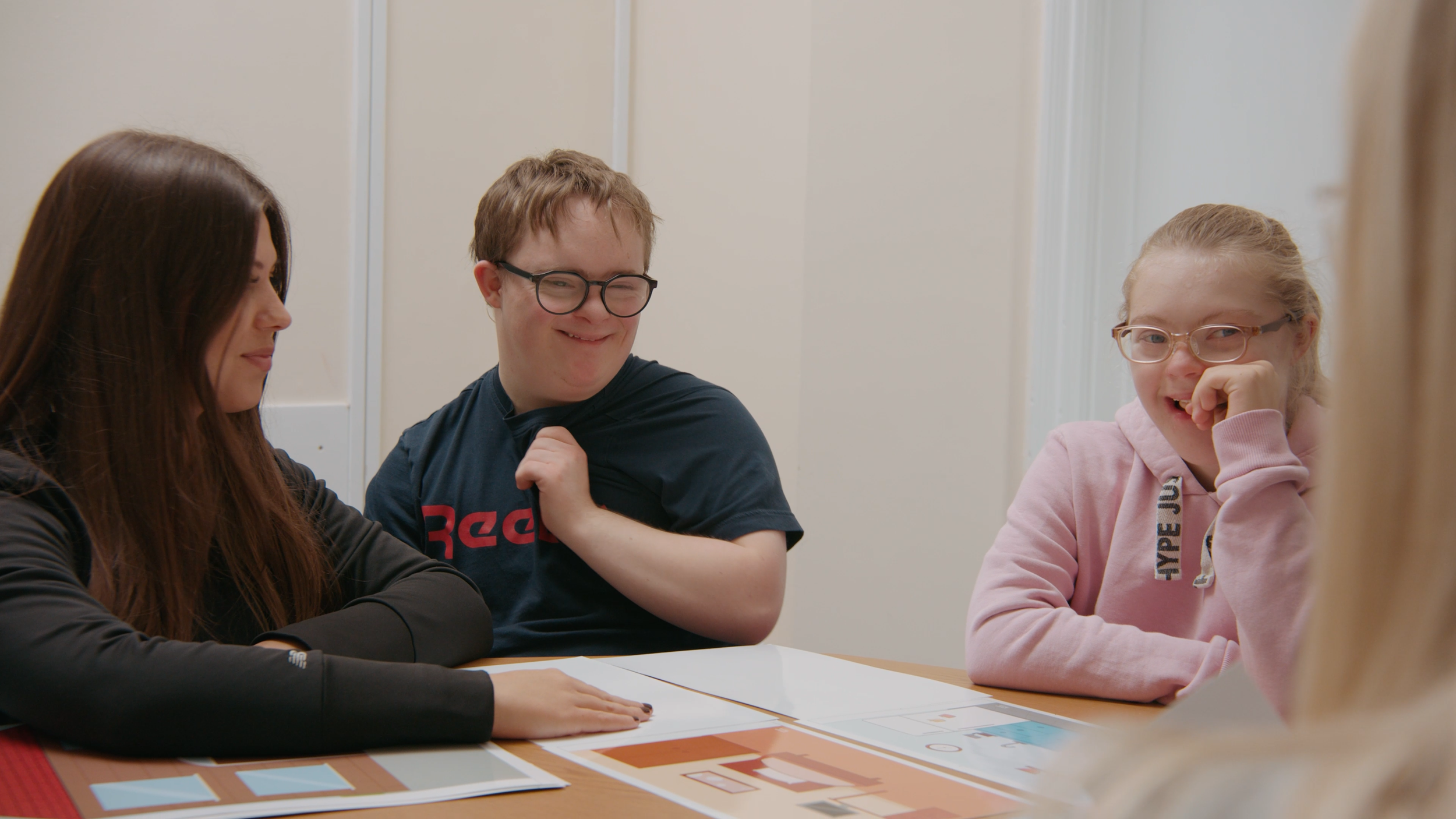
SEND schools are most at risk where:
RSHE is seen as a distinct subject and not considered part of the wider school ethos. Ofsted is clear, safeguarding is pass or fail, and RSHE is a key pillar of safeguarding.
RSHE content is too abstract or language-heavy
Lessons assume prior understanding that learners don’t yet have
Content is delivered once, rather than revisited and embedded. Content isn’t re-enforced through other subject areas or within less structured school time.
There is limited evidence of learner understanding and changes in behaviour, it’s not just about whether the lesson was delivered or not, the question is ‘did it work’. How do you know?
Staff confidence varies widely across the setting
None of this reflects a lack of care or commitment. More often, it reflects time pressure, limited specialist resources, and unclear guidance on what “good” actually looks like for SEND learners.
The 3 most common gaps - and how to fix them quickly
1. “We cover it” — but can’t show how learners understand it
The gap:
Lessons are delivered, but there is little evidence of how learners with SEND process, retain, or apply the learning.
The fix:
Use structured, accessible teaching approaches that:
Break concepts into small, explicit steps
Use visual modelling and real-life scenarios
Allow time for repetition and discussion
Consider other times in the day that you could use to support learning. If you are learning about healthy friendships and respectful language do the staff on the playground know the language you are using or how they could support incidents using the same approaches. RSHE doesn’t play out in a classroom. It’s the subject that is forever impacting our children and young people.
Make sure parents and carers are not just informed but on board! Real change won’t come without the joint support of home and school.
If an inspector asks any member of staff, child, or parent, do they know how important RSHE is to your school? Will they be able to make that link form RSHE to behaviours that align with your safeguarding. Do they know who their trusted adults are?
Short lessons and SEND specific activities, can be revisited and reinforced by everyone, not just those with responsibility for RSHE— and crucially, they create a clear expectation around RSHE being anchored in the school day and the wider community.
2. RSHE isn’t clearly adapted for cognitive need
The gap:
Schools rely on mainstream RSHE materials that haven’t been meaningfully adapted. Or spend hours creating new materials!
The fix:
Inspectors are not looking for more content — they are looking for appropriate and adapted lessons and materials.
This includes:
Simplified language
Visual supports
Concrete examples
A slower pace and repeated exposure
Personalisation to the student’s specific experiences, culture, and identity.
Representation of the voice of young people
Adaptation is not dilution. For SEND learners, it is what makes learning possible.
3. Staff confidence is inconsistent
The gap:
Some staff feel confident delivering RSHE, others feel anxious — particularly around sensitive topics.
The fix:
Use consistent, high-quality resources that:
Model language clearly
Reduce reliance on individual staff confidence
Provide a shared approach across the setting
This consistency is reassuring for staff and learners alike — and it shows inspectors a coherent, whole-school approach.
How can Learn and Thrive help?
Our Learning for Life project is ready for you to use. It is:
✔ Built around the RSHE Curriculum - new and updated for 2026
✔ Teaches foundational concepts - filling in gaps learners might have missed, or didn’t have accessible or explicit teaching for
✔ Made for learners with SEND - teaching is sign and symbol supported, age-appropriate for older learners, and made with SEND experts
✔ Increases staff confidence - with ready-made sessions from start-to-finish to remove uncertainty
✔ Includes evaluation and tracking tools - demonstrate understanding and behaviour change
We’ve spent the last few months reviewing the Ofsted and RSHE changes, and made sure that the project is ready to go. There’s loads of brand new content that can support educators to run sessions easily and efficiently, including lesson plans, success criteria sheets, and recaps.
And as we know - consistency is key. All staff can have unlimited access to the resources with our Education Subscriptions.