Creating Safer Lives
Learning for Life teaches life skills.
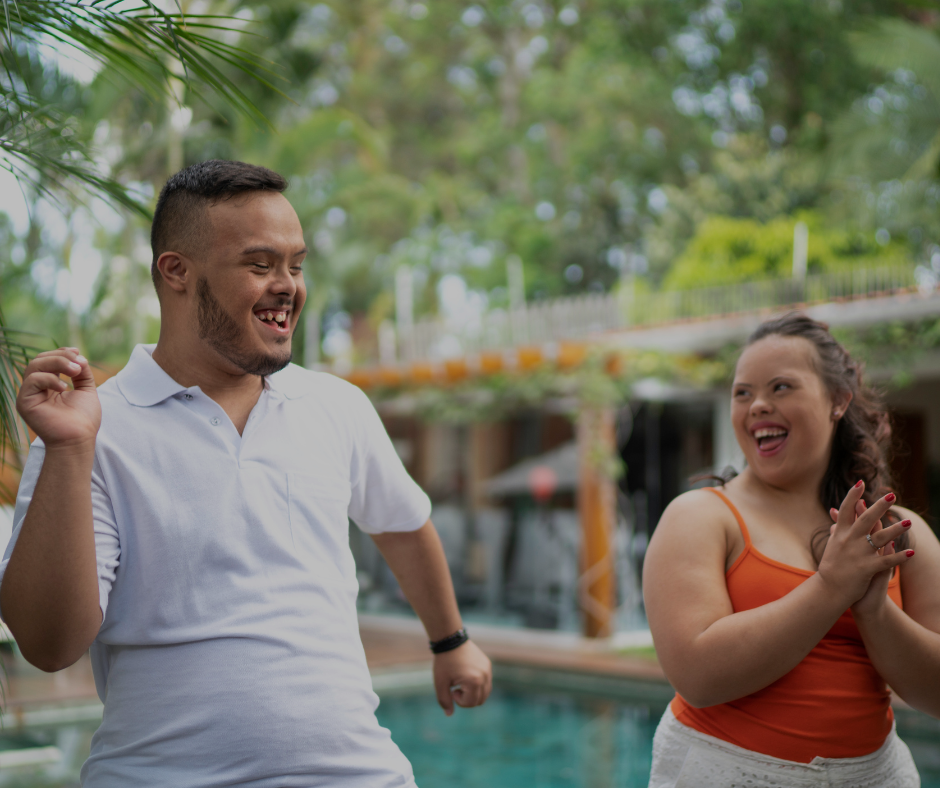
How to navigate friendships.
How to grow in confidence.
How to live more independently.
But the deeper reason this project exists is simple - Safety.
Children and young people with learning disabilities are significantly more likely to experience abuse or exploitation, not because they lack ability, but because too often no one has taught them the skills that keep them safe.
So, we do.
Learning for Life helps young people:
understand boundaries
recognise unsafe behaviour
make informed choices
speak up and seek help
Because every young person deserves the skills to live safely in the world.
We would like to stress that this page includes information around abuse and criminal activity, committed against people with learning disabilities. Please consider your wellbeing before you continue reading.
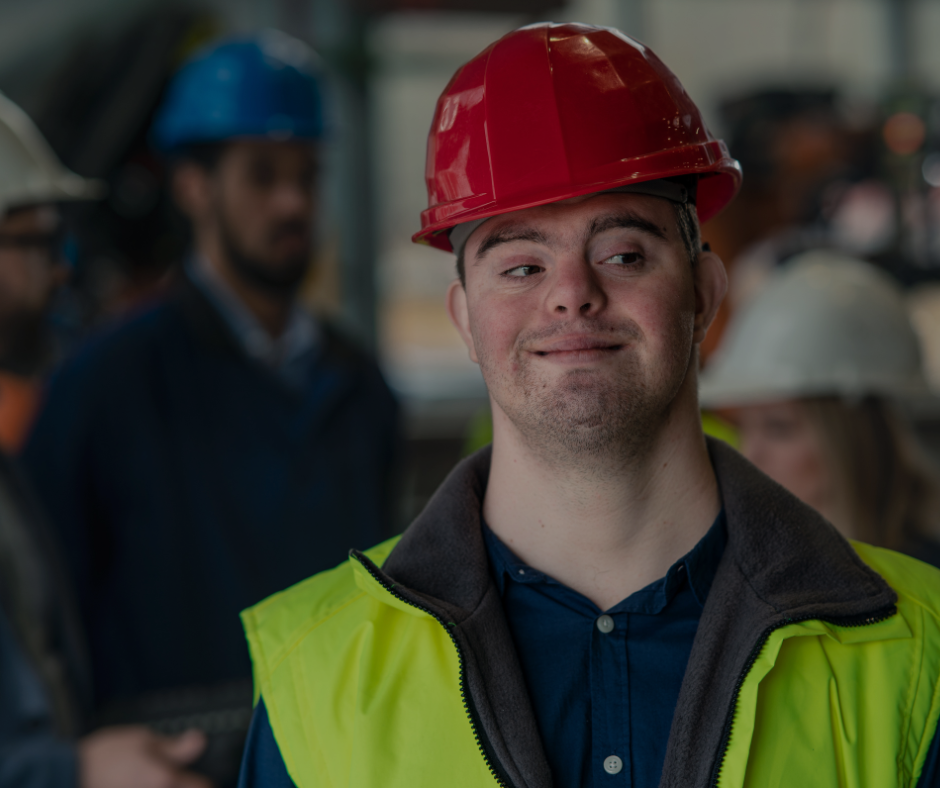
Unlocking work opportunities
Of 884,000 working-age adults with learning disabilities, only 29% are in work (1).
Helping individuals with learning disabilities to reach their potential, which includes entering the workforce, could bring an average value of £380,000 per individual across the economy, NHS, local authority, and policing and justice (2).
And while some of these individuals simply haven’t had work opportunities because businesses lack the structures to make employment accessible to them, there are some problems others face. Once in the workplace, inappropriate behaviour causes their employment to be terminated. But this comes out of missed teaching, not bad intent. However, once it’s happened, it’s often difficult to change the outcomes.
This happens across work, volunteer opportunities, and even gets them excluded from school and college.
Inclusion in the workplace not only has potential for economic benefit, but also personal benefit to the individual and their new colleagues - reducing loneliness, battling stereotypes, and creating a more inclusive society and workplace.
How do we help?
Managing emotions and conflict
Understanding relationships - the difference between friends and people at work
Teaching what is appropriate and inappropriate behaviour

Improving health outcomes
Weight management is a challenge for individuals with learning disabilities. They are more likely to be overweight or obese than the general population. They are also more likely to be underweight. This is due to a range of factors, including: existing health problems (e.g. thyroid issues), lack of teaching on healthy lifestyles, inability to cook independently and limited time for support staff to mitigate this (3).
A key part of independence is being able to build and maintain a healthy lifestyle, involving healthy eating, exercise, and supporting mental wellbeing. This routine can reduce loneliness and mental health problems, reduce risk of weight-related health problems, and promote overall wellbeing.
How do we help?
Creating balanced routines
Understanding the impact of poor health on our lives
Exercise videos and step-by-step healthy eating recipes videos
Building safe relationships
93,755 disability hate crimes were recorded by police in England and Wales between 2011 and 2025 (4).
This includes mate crime, where people who our community believe are their friends takes advantage of them. Theft is the main issue in mate crime, where these individuals steal directly from our community, or get them to pay for things. Cuckooing is becoming more common, where individuals take over our community’s homes, using them to live in themselves, hide drugs, or hide weapons. (5)
Our community’s independence reduces now, with their homes and money being taken, they are put at risk, and ultimately they could lose control over their own money and ability to live on their own. They also lose what they thought were valuable friendships in their lives.
How do we help?
Understanding what real friendships are
Teaching that people in every part of your life should be respectful and kind
Knowing what mate crime is, how to spot it, and how to get help