

The Future of Learning for Life
At Learn and Thrive, we’re all about openness.
And we know that lots of our users want teaching on specific topics.
If we could wave a magic wand - we would have every series made by the end of the year! That would be the dream, but unfortunately, it’s not the reality.
As a charity funding is tough, we deliver our support for free to non-profits and families and subsidise access for schools. So, we don’t have the big flexible budgets of a business.
But - this isn’t stopping us. It’s just going to take us a little bit of time!
We want to make sure that we keep you - our community - in the loop. So here’s a quick run down of our current plans for covering the RSHE curriculum, and how we are going to include our SEND-specific teaching in each one.
Be aware - we are going to be talking about sex, harassment, stereotypes, and more that you might find hard to read.
Overview
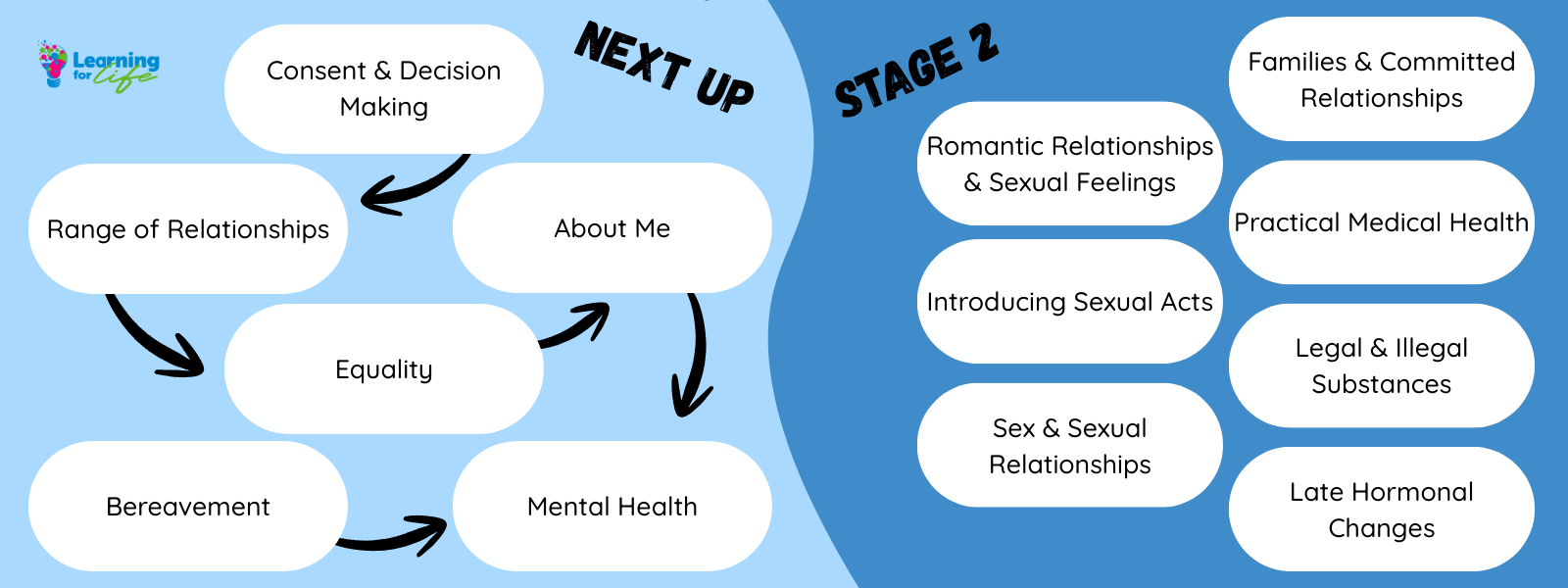
We want to make sure that you get all the info you need, so we have in-depth coverage of the upcoming series below. But, if you just want the big picture, here it is:
Currently Available
Growing Up & Keeping Safe - Emotions - Caring Friendships - Being Healthy - Changing Adolescent Body - Families - Understanding Health & Prevention - Respectful Relationships - Online Safety
In progress
Consent & Decision Making
Seeking funding
Range of Relationships (LGBTQ+, gender identity, interracial relationships)
About Me (understanding & loving myself)
Equality (stereotypes, misogyny, Violence Against Women and Girls (VAWG))
Mental Health
Bereavement
Stage Two - in the coming years
Romantic Relationships & Sexual Feelings
Introduction to Sexual Acts
Sex & Sexual Relationships
Families & Committed Relationships
Practical Medical Health
Legal & Illegal Substances
Late Hormonal Changes
Want more detail? Keep reading…
What’s next?
Consent & Decisions
Currently being written and filmed! Working alongside the fantastic Claire Lightley from Bodysense Education, and Mel Gadd from the Sex Education Company, we’re so excited to share this with you.
Covering:
Consent in its widest context - understanding ‘yes’ and ‘no’, what should happen when you don’t consent
Mental Capacity Act and how this is relevant to decision making
Understanding personal boundaries
The needs and preferences of yourself and others - balancing these and maintaining boundaries
All things consent, but not including sexual consent. This means it’s perfect for everyone, even those who are being withdrawn from the sexual elements of the RSE curriculum. Don’t worry, sexual contact and consent is coming soon. It will be alongside our upcoming series covering sex and sexual acts.
We are seeking funding for the following series, so they are in their very basic planning stages. Here are the key topics we hope to cover in each one.
Range of Relationships
Understanding the different people in my life, talking about real relationships, and the range of identities, sexualities, and make-up of friendships, relationships, and families.
People in my life - siblings, friendships, celebrities, people who help me
Interracial relationships
LGBTQ+ relationships
Gender identity
Equality
Discussing equality in it’s broadest sense, the impact of inequality in real life, and how this is seen through stereotypes and misogyny.
Stereotypes - around race, gender, and sexuality
Women and feminism
Misogyny
Impact of stereotypes and inequality
Violence Against Women and Girls (VAWG)

Jess, and her picture of ‘me’!
About Me (Draft Title)
This series is outside of the RSE curriculum, but is built around requests we’ve had from users and community members. It’s all about understanding and loving ourselves, having a clear picture of who we are, so that we can be proud of ourselves.
Developing good self-esteem
Self-respect
What makes me me - facts about myself, including ethnicity, gender, disability
What my disability means to me
Nobody is perfect and we all make mistakes - including apologising and accountability
Having a voice in my life and my community
Bereavement
Supporting individuals through death and loss (also applicable for ending relationships or friendships), and how to do this in a way that will help them to grieve.
What is death?
What does death mean?
How does death and loss make you feel?
Ways to deal with death and loss, and how to do this in a healthy way
When we experience loss not associated with death
Mental Health
Anxiety and depression (in particular) have high prevalence for individuals with learning disabilities. Helping them to understand and identify these problems can make seeking help easier.
Mental Wellbeing and Feelings
Feeling worried or low for a long time
Noticing changes in how I feel or behave
Different ways people can feel unwell
Talking about my feelings
How my actions affect others’ feelings
Stage Two
As we move towards the later stages of the RSE curriculum, things start to get more complicated! But the following series will all be building on concepts that we introduced in the existing series (and those above). So learning will be more accessible, because all the base understanding is there for these more complex topics. A big part of these series is also the Consent series, so that individuals understand the need for consent and their own decisions around relationships, legal and illegal substances, and sex.
Romantic Relationships and Sexual Feelings
Exploring the start of romantic relationships (graduating from friendships or crushes to boyfriend/girlfriend/partners), and the sexual feelings we can experience. This is particularly important so that we can empower them to lead fulfilled sexual relationships if they choose, and understand appropriate behaviour around sex.
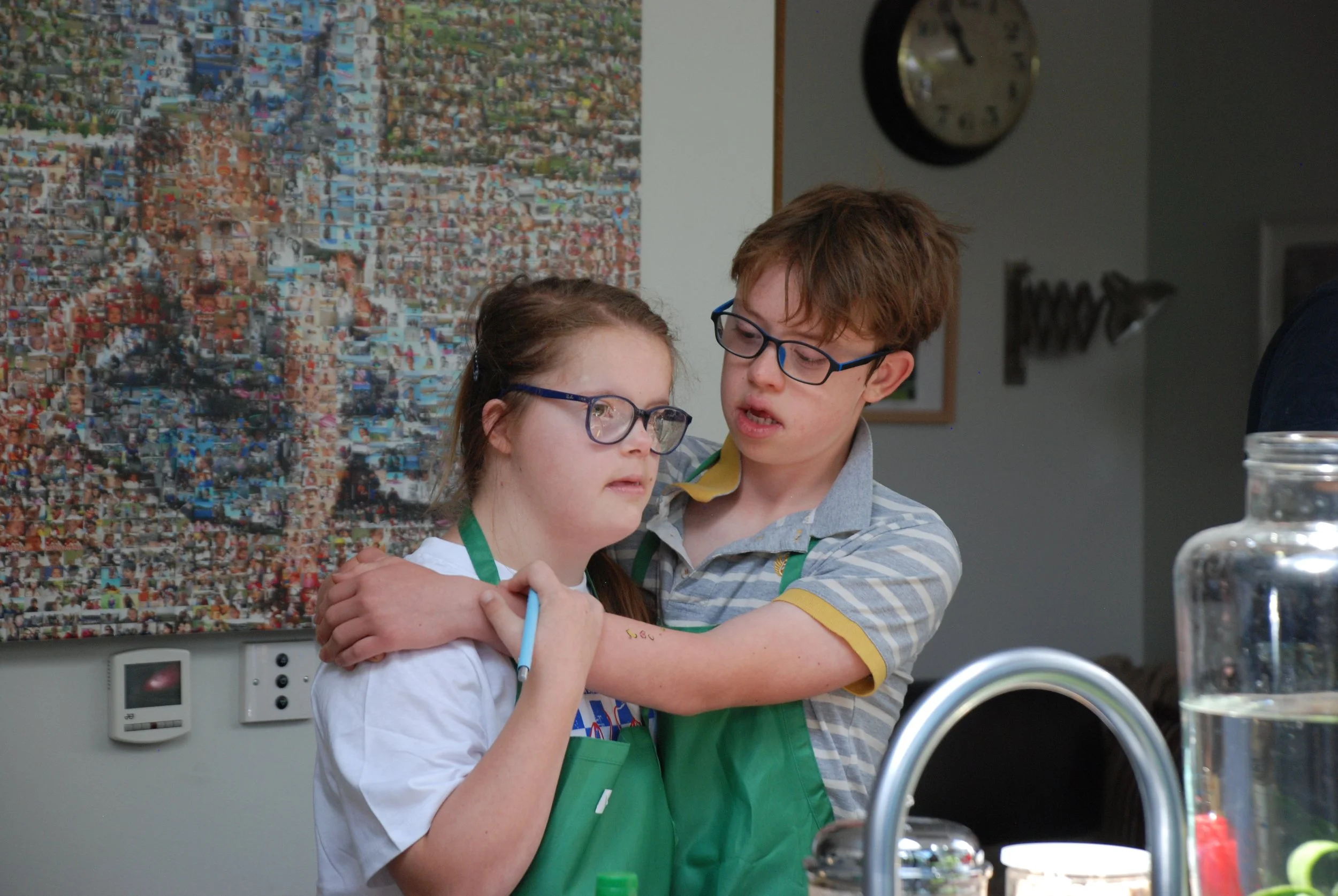
Ionie and Barney at our community cooking day.
What are sexual feelings?
Romantic relationships - attraction and crushes, friendships, relationships
Boundaries and unrequited crushes
Who it’s appropriate to feel sexual about
Masturbation
Sexual pleasure
Appropriate behaviour - understanding where you can be sexual
How to deal with unrequited sexual feelings
Legal implications
Kissing
Sexual consent
Managing sexual pressure and peer pressure
Introducing Sexual Acts
Helping learners to understand and have healthy and safe sexual experiences.
Sex and sexual acts - the science behind them
Intimate relationships - and characteristics of healthy intimate relationships
Practical steps
STIs
Contraception and safe sex
Emotions and sex
Getting help and advice
Sexual harassment and rape
Sex and Sexual Relationships
Within and outside of romantic relationships, understanding sex in a wider context, including fertility and sexual harassment.
Emotional impact of relationships
Impact of alcohol and drugs on sexual behaviour
Children and in(fertility) - including pregnancy and miscarriage
Reproductive health - including choice around pregnancies
Sexual harassment and violence
Rape and domestic abuse
Families and Committed Relationships
Understanding the difference between committed relationships/marriage to romantic relationships, the benefits, and the religious element.
Marriage - it’s importance and ensuring both parties are freely making this decision
Legal rights of married couples
Unregistered religious ceremonies
Parenting
Improving relationships
Legalities & Impact of Illegal Substances
Knowing the impact of harmful substances - both legal and illegal - helps individuals to make informed decisions about their usage (even where supporters or families don’t support these decisions).
Supply and possession of drugs or illegal substances
Physical and psychological risks of drugs and illegal substances
Smoking - including ways to quit
Prescription drug misuse
Addiction - including alcoholism
Practical Medical Health
Exploring ways to keep ourselves and others healthy, in emergency and non-emergency situations.
Home-based first aid
CPR
Defibrillators
Self-examination and screening
Contraception
Late Hormonal Changes
Changes that happen later in life, to understand the full reproductive cycle of women.
Menopause
Make sure you’re signed up…
The only way to get immediate access when series go live is to be signed up. Get your free trial today.