

Consent & Decisions: Series Breakdown
Want to know all about the new series in Learning for Life - ‘Consent & Decisions’? Keep reading!

Day 2 filming crew posing! Including our presenters - Maya (a familiar face), and newbie Sam!
What’s in Consent & Decisions?
This series breaks down the foundational knowledge and skills needed to understand consent. Too often people rush straight to teaching sexual consent and that’s when thing go awry. You have to get the core understanding in place first. So this series does exactly that.
Our experts in this series are Mel Gadd, from the Sex Education Company, and Claire Lightley from Bodysense Education.
With their joint expertise in supporting individuals with learning disabilities, Mel and Claire bring their experience of empowering our community to be active decision-makers, and protectors of their right to autonomy. This series will teach learners about:
Consent in it’s broadest context - yes/no, giving consent freely and willingly, that consent should be respected (for themselves and others)
The Mental Capacity Act - their rights in decision-making and how to get support
Body boundaries and touch - including in personal care
Consent online, including sending nudes - the laws around them and the risks of sending them
As we start to move into some much more complicated concepts, we’re still providing clear, accessible content which is not just adapted, but genuinely specialised for our community’s learning needs.
This series has your familiar Learning for Life feel, with role plays, strategies, and activities to complete at home, in group, or in school.
Consent & Decisions consists of the following videos:
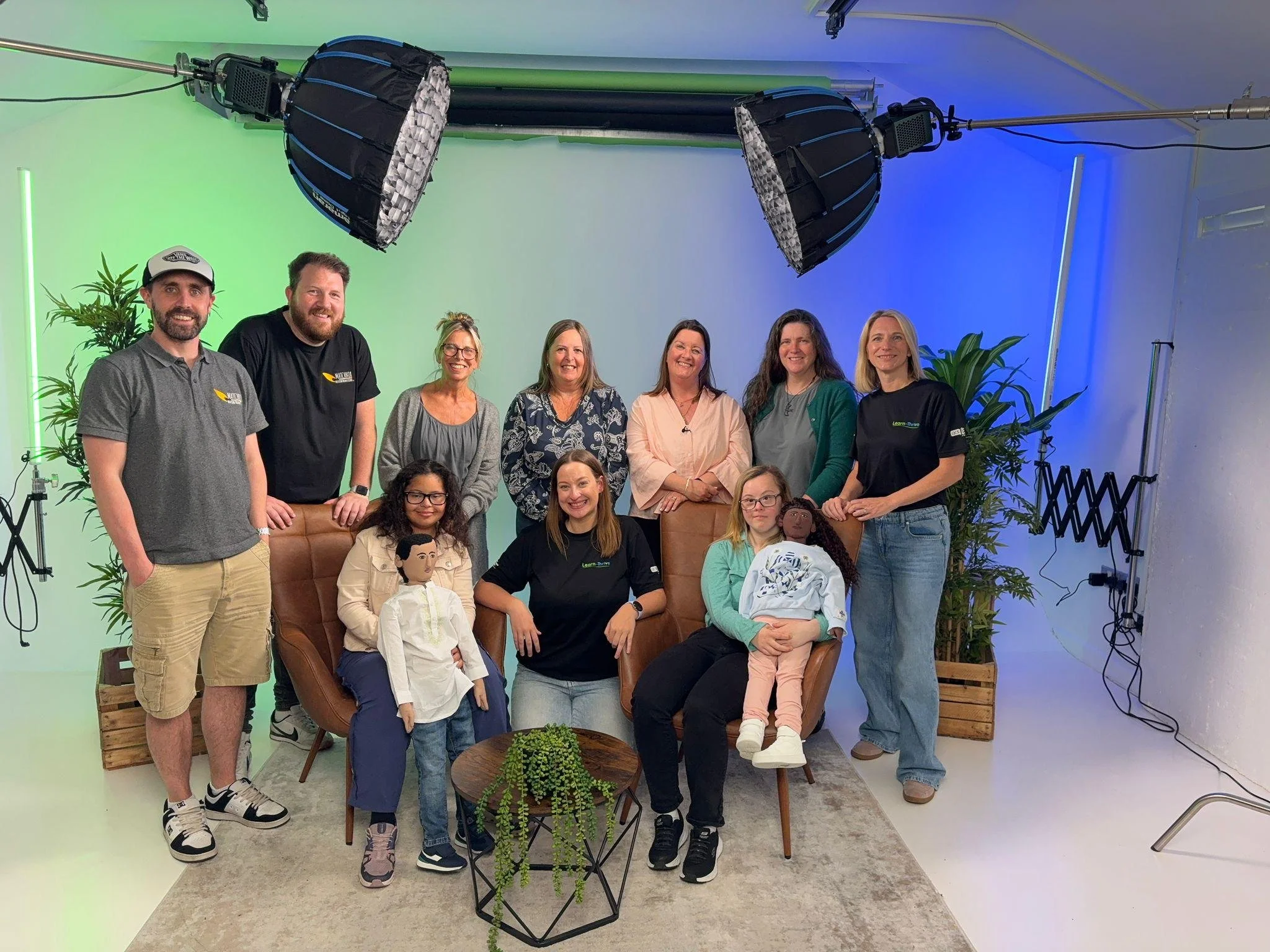
Day 1 film crew smiling. Another familiar face - Jess, and another newbie - Samantha!
What is Consent?
Choices & Decisions
The Mental Capacity Act
Relationships & Consent
Body Boundaries
Touching Others
Being Touched by Others
Assertiveness
Private or Secret?
Online Consent - Sending Nudes
Consent in everyday situations
Where does this sit in the RSHE curriculum?
As a charity, we’ve always had the joy of being able to scaffold around the curriculum. We use it as our base so that schools can make sure they are hitting the statutory topics. But we also add what we know our community needs, whether that’s new content or just a different way of teaching.
In the new Primary RSHE curriculum, there are a few points we are covering as part of this series:
The importance of setting and respecting healthy boundaries - in this series: about body boundaries and touch
That it’s not always right to keep secrets if they relate to being safe
Where to go to for support with things you see online - in this series: about sending and receiving nude pictures
Around these topics we have added more content, which you can see in the success criteria across our Teacher Success Criteria Sheets, Parent Checklists, and Learner Checklists (all available with the full version of Learning for Life).
“What’s the difference between ‘private’ and ‘secret’?“
We’re all allowed to have privacy, and keep things to ourselves. We’re also allowed to share private things with friends and family. But it’s important that we make the distinction between private information, secrets, and surprises.
This is all about keeping our community safe from abuse, while also helping them to have safe, trusting friendships and relationships. Mel and Claire teach about what makes private information, secrets, and surprises different from each other - how you identify each one, how each one might make you feel, and who to tell if you need to share something. Enforced secrecy can be a warning sign, keeping people from seeking help and isolating them from their support network.
Plus, we all want to be able to keep that surprise party a secret!
How to Use the Learning for Life Project
Our Parent Hub and Learning Hub provide specialist content for parents and educators alongside all the Learning for Life videos. Parents, carers, and families can get full free access to the project with our Parent Codes. Educators can explore our Education Subscriptions to get full access. You can try this new series in our Learning for Life Free Trial hub!
We are a charity - the subscription cost and donations from parent codes go directly to supporting families and local groups to access content for free, to reach those who need it most.
We recommend working through the Learning for Life series in order. Start with:
Growing Up and Keeping Safe
Emotions
Caring Friendships
Being Healthy
The Changing Adolescent Body
Families
Understanding Health & Prevention
Respectful Relationships
Online Safety
Consent & Decisions
Each series builds on the learning from the one before it. This helps young people gradually grow their knowledge and skills. There are Recap & Knowledge Check sheets in each series so you can check pre-existing understanding before starting the next series.
However, you know your learner best. You can choose the order based on what suits their needs and what they already know. What’s most important is that they have already explored the basics about growing up, friendships, and relationships before starting Consent as we refer back to learning on these topics.
We also encourage you to think carefully about your learner’s individual experiences. If there are any topics that could be upsetting or triggering—because of past experiences or specific needs—please take extra care and adapt the content as needed.
This series is here to support you and your learner every step of the way.