


RSHE videos and resources for teaching puberty to young people with SEND
High quality, accessible, specialist teaching on puberty, growing up, and personal hygiene. Created with Inclusively Down, and built around the primary RSE curriculum, with additional topics specific to learners with Down’s syndrome, Autism/ASD, and other learning disabilities.
Videos include:
Growing and Changing
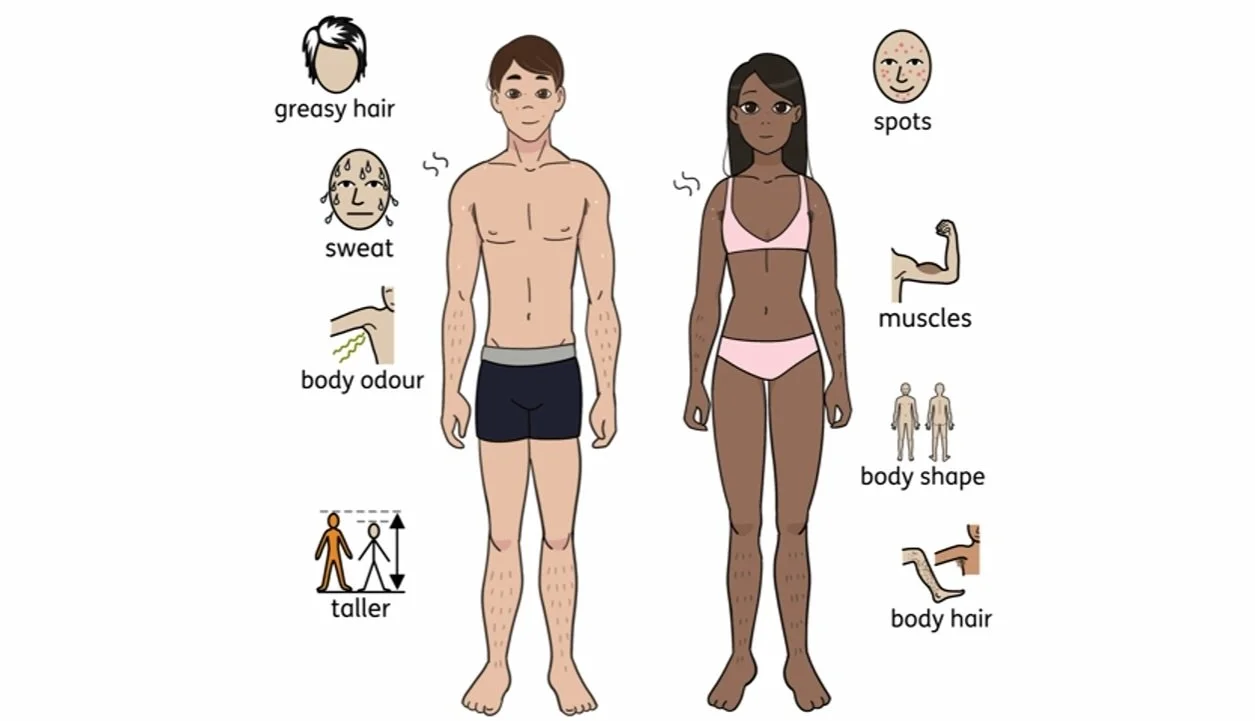
Puberty and Your Body (Males)
Puberty and Your Body (Females)
Puberty and Your Body (Males & Females)
Puberty Changes - Erections
Puberty Changes - Getting a Period
Puberty Changes - Emotional Rollercoaster
My Changing Body - Keeping Clean
My Changing Body - Hygiene Routine
“We often support parents and carers with information and resources relating to puberty and adolescence and this resource will be a great supplement to our easy read puberty resource for young people with Down’s syndrome. We already love the Learn and Thrive resources, so this is another fantastic tool for our community to use to support learners.”

Using clear language and correct terminology, this series will equip your learner with the knowledge to understand the changes going on in their body.
Supported by downloadable worksheets and resources, this understanding will include developing strategies to handle these changes, such as periods and erections, in a private and dignified way.
Updated and ready for the new RSHE curriculum coming in September 2026, this content is ready for you to pick up and use whenever you need it.
Already want it all? Parents and Carers get full free access.
Education Subscriptions for whole school access
Learning for Life is a project run by the charity Learn and Thrive. This project provides extensive teaching for young people with Down’s syndrome and other SEND based on the primary RSE and Health Education Curriculum.
Read more about our other series available in the Learning for Life project below.
“The Learning for Life content has been incredibly helpful in supporting teachers to educate our autistic young people about key areas such as puberty, safe relationships and privacy. The resources are clear, accessible, and flexible enough to meet the needs of students with a wide range of chronological and developmental ages.”
-
Public and Private Places
We All Need Privacy
My Body - I Am a Girl
My Body - I Am a Boy
Public and Private Activities
Appropriate Touch
It’s My Body
How Do I Know You?
Touch Control
Personal Space
-
Happy
Sad
Frightened
Angry
Basic Emotions - Overview
Frustrated
Embarrassed
Worried
Confused
Complex Emotions - Overview
-
Friendship
Features of Friendship
Identity and Values
Choosing Friends
Making Friends
Caring and Uncaring Friendships
Repairing Friendships
Ending Friendships
Caring Friendships
-
What is Being Healthy?
Looking After Ourselves
Who Can I Talk To?
Being Active
The Importance of Being Active
A Healthy Daily Routine
What is Healthy Eating?
Why is Healthy Eating Important?
Preparing Healthy Meals
Being Healthy
-
Your Family
Different Types of Families
Caring Families
Committed Relationships
Family Changes
Sibling Relationships
Finding Help
What have we learnt about families?
-
What is Health and Prevention?
Physical Illness
Sun Safety
The Importance of Sleep
Keeping Clean and Healthy
Harmful Substances
Keeping Safe & Emergencies
-
Respectful Relationships
Respectful Friendships
Mate Crime
Social Media
Phone Etiquette
Types of Love
Romantic - Starting a Relationship
Romantic - Ending a Relationship
Obsession
-
The Internet
Online Information & Data
Time Spent Online
Effects of Online Behaviour
Age Restrictions Online
Reporting
Online and Offline Relationships
Real or Fake? Online
Rules for Being Safe Online
Assessing Information Online
Pornography
Is your learner not ready for these topics yet, but you’d still like support? Try Teach Me Too.
Built for children with Down’s syndrome and SEND, supporting them with early years development around language, maths, and more. Also free to sign up, with all downloadable resources available for free to families with their parent code.